ICOM IC-A25N Handheld NAV/COM Transceiver w/ Bluetooth – Open Box: Advanced Pilot Communication
ICOM IC-A25N Handheld NAV/COM Transceiver w/ Bluetooth – Open Box: Advanced Pilot Communication
Blog Article
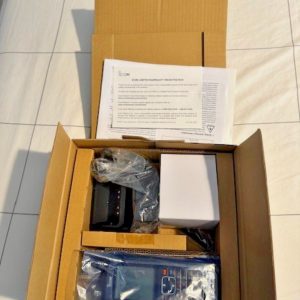
:::writingvariant="document" id="58314" ICOM IC-A25N Handheld NAV/COM Transceiver w/ Bluetooth – Open Box: Versatile Cockpit and Ground Communication The ICOM IC-A25N Handheld NAV/COM Transceiver w/ Bluetooth – Open Box is designed for aviation users seeking a capable portable radio that can support communication and navigation-related operations. An open-box ICOM transceiver can be attractive to buyers who want dependable features while reducing the cost of purchasing professional aviation equipment. The ICOM IC-A25N Handheld NAV combines practical portability with features intended to support situational awareness and reliable aviation operations. The ICOM IC-A25N Aviation Radio offers portable flexibility for aircraft owners who do not want to rely exclusively on panel-mounted communication equipment. A portable ICOM IC-A25N Handheld Radio supports flexible aviation operations because it can remain with the pilot rather than being permanently installed in one aircraft. The Handheld NAV/COM Aviation Transceiver format offers useful flexibility to pilots who want one compact tool for several operational requirements. Whether pilots need a Handheld Aviation Radio, Aviation NAV/COM Radio, Pilot Handheld Radio, or portable Aircraft Communication Radio, the complete package should be inspected and tested. The product can support pilots seeking a Portable Aviation Transceiver, Aviation Navigation Radio, ICOM Pilot Radio, or dependable Backup Aircraft Radio.
Key Benefits of the ICOM IC-A25N Transceiver
The radio’s portable construction allows it to support aircraft operations before departure, during flight, after landing, or while personnel are working around the airport. Pilots often select a feature-rich handheld radio because it supports communication needs without requiring permanent installation or aircraft modification. Users should understand that portable-radio coverage can differ from panel-mounted equipment connected to an external aircraft antenna. A backup radio provides greater value when the pilot has already practiced frequency selection, volume adjustment, navigation functions, Bluetooth setup, and battery management.ICOM IC-A25N Handheld NAV Features
The ICOM IC-A25N Handheld NAV can support pilots who want portable access to aviation communication and navigation information during flight preparation or cockpit operations. Aircraft owners may keep the radio available when maintenance temporarily removes power from installed communication equipment. Navigation features should support rather than replace required pilot preparation, approved navigation equipment, current charts, and appropriate operational judgment. Responsible operation includes checking settings, frequency steps, stored information, battery capacity, antenna security, and any paired accessories before departure.Benefits of an ICOM IC-A25N Aviation Radio
The handheld unit can support operations during aircraft maintenance, ramp movement, hangar work, or other situations where installed radios are not easily accessible. Flight instructors can use the device as supplemental equipment during ground website lessons, aircraft walkarounds, and selected training exercises. Buyers should consider the radio’s physical condition, battery age, charging equipment, antenna, clips, headset accessories, manuals, packaging, and evidence of proper operation. An independent review may provide additional confidence when the radio cannot be examined in person.Carrying the ICOM IC-A25N Handheld Radio
The handheld format allows the radio to move with the pilot between personal, rental, training, business, and club aircraft. Responsible storage preserves physical condition and improves the likelihood that the radio will function correctly when needed. Users can review the interface in a quiet environment rather than learning controls during engine operation or busy airport activity. Aircraft cabins and parked vehicles can reach temperatures that may affect batteries, displays, housings, and electronic components.Using a Handheld NAV/COM Aviation Transceiver
A Handheld NAV/COM Aviation Transceiver combines portable communication and navigation-related capability within one device, making it useful for pilots who value multifunction equipment. An open-box package may represent strong value when it includes the equipment required for immediate setup and normal use. Users should keep the operating guide accessible until they can manage essential functions without hesitation. Regular care supports reliable operation, protects resale value, and reduces the risk of missing components.Handheld Aviation Radio Benefits
General aviation users may carry a portable radio during training flights, cross-country operations, maintenance, aircraft repositioning, and airport events. Regular practice and maintenance turn a handheld device into meaningful backup equipment rather than an unverified accessory. A handheld radio should be evaluated in the aircraft and environment where it will normally be used. Professional radio discipline includes listening carefully, transmitting clearly, using appropriate terminology, and keeping messages relevant.Using an Aviation NAV/COM Radio
An integrated aviation radio can provide a convenient secondary tool during flight planning, cockpit preparation, and selected in-flight operations. A portable radio should support cockpit management rather than add unnecessary workload. A handheld device may provide valuable reference information but should not replace required installed equipment or approved procedures where those are necessary. A structured preflight routine helps the Aviation NAV/COM Radio deliver reliable and practical support.Pilot Handheld Radio Benefits
Pilots may carry a handheld radio as part of a broader emergency kit that includes lights, power supplies, charts, tools, and survival equipment appropriate to the flight. Good cockpit organization reduces workload and prevents backup equipment from becoming difficult to reach when needed. A pilot should practice basic operations such as powering on, selecting a frequency, adjusting audio, transmitting appropriately, using memory functions, and checking battery status. The radio’s charging schedule should reflect how often it is used and how long it remains stored between flights.Maintaining an Aircraft Communication Radio
The IC-A25N can become part of an organized communication strategy for private pilots and aviation businesses. Pilots should listen before transmitting, speak clearly, keep messages relevant, and verify that the correct frequency is selected. Buildings and hangar structures can also reduce radio performance during ground use. Users should stop relying on the unit if it displays intermittent function or unexplained shutdowns until the concern is resolved.Using a Portable Aviation Transceiver
The ability to carry the radio personally helps operators maintain access to familiar controls and stored settings. A protective case can separate the radio from tools, keys, metal objects, liquids, and heavy equipment inside a flight bag. Wireless connectivity may help pilots integrate the radio into a preferred communication setup when paired equipment is supported and configured correctly. The radio should remain usable even when a paired device is unavailable or the Bluetooth connection cannot be restored.Choosing an Aviation Communication Device
Pilots should select communication equipment according to mission requirements, aircraft type, operating area, training needs, and backup planning. The seller should explain the product’s status and disclose any evidence of use, missing materials, registration, or cosmetic handling. Professional users may maintain records of radio assignment, charging, inspections, damage, accessory inventory, and battery replacement. Clear labels and quick-reference instructions can reduce setup errors without replacing the complete operating manual.Handheld Aircraft Radio Benefits
The radio’s portable form allows pilots to monitor or communicate without remaining seated at the aircraft instrument panel. The radio provides practical value wherever access to aviation communication is useful away from a powered instrument panel. A planned storage position supports fast retrieval while protecting the radio and aircraft interior. Charging ports and connectors should remain dry and free from debris before accessories are attached.Maintaining an Aviation Navigation Radio
The IC-A25N may appeal to pilots who want more than communication capability from their handheld flight-bag radio. A demonstration or careful manual review can help users understand displays, menus, stored information, and navigation-related controls. The device should become part of a layered navigation and communication strategy rather than the sole source of critical information. Careful preparation allows an Aviation Navigation Radio to provide practical value without increasing cockpit workload unnecessarily.Maintaining an ICOM Pilot Radio
An ICOM Pilot Radio can appeal to aviation users who value an established communications manufacturer, aviation-focused controls, portable construction, and practical accessory support. A complete and well-documented package can be more valuable than a lower-priced unit missing essential equipment. Businesses may value durability, accessory replacement, consistent training, and the ability to assign one radio across several users. A protective case and consistent charging routine can help preserve the equipment and prevent missing accessories.Choosing an Emergency Aviation Radio
An Emergency Aviation Radio can provide an additional communication option when installed aircraft equipment becomes unavailable because of electrical, equipment, or operational problems. The radio should be positioned where it can be reached without searching through baggage during an urgent situation. The pilot should know how to operate the radio directly if a paired headset or wireless accessory fails. Preparedness transforms an Emergency Aviation Radio from a stored accessory into a meaningful backup communication tool.Backup Aircraft Radio Applications
Pilots who operate several aircraft can carry the same Backup Aircraft Radio and remain familiar with its controls across different cockpit layouts. A dependable backup radio is the result of consistent preparation rather than the assumption that unused equipment remains ready. A simple and familiar arrangement is generally more useful during an abnormal situation than a complicated setup that has not been practiced. Pilots should use clear, concise communication and follow appropriate procedures for the situation and operating environment.ICOM IC-A25N Open-Box Condition Guide
Buyers should review the radio body for scratches, cracks, missing labels, damaged controls, loose components, or wear around frequently handled areas. Transparent answers allow the buyer to distinguish a nearly unused open-box product from a lightly used or incomplete package. Battery behavior should be observed for unusual heat, rapid discharge, charging failure, physical swelling, or poor connection. Shipment photographs can document package contents and physical condition before dispatch.Maintaining a Portable NAV/COM Transceiver
Long-term reliability depends on battery care, protected storage, correct charging, careful antenna handling, clean connectors, updated familiarity, and prompt attention to operating concerns. Any change in audio, charging, battery life, control response, display quality, Bluetooth operation, or power stability should be investigated.- Confirm that the device powers on, responds correctly, holds charge, produces clear audio, and remains properly configured.
- Verify frequency settings, memory organization, Bluetooth pairing, audio routing, volume, squelch, navigation functions, and battery status during preflight preparation.
- Protect the equipment from extreme temperature, direct sunlight, moisture, fuel, oil, cleaning chemicals, heavy tools, and accidental impact.